






How to Choose the Right Niche for Your Blog

Starting a blog is easier than ever, but building a successful one requires more than simply publishing articles. One of the most important decisions you’ll make is selecting the right niche. Your niche defines the topic your blog focuses on and helps attract a specific audience. If you want long-term growth, learning how to Choose the Right Niche for Your Blog is essential.
A well-chosen niche allows you to create focused content, build authority, rank higher in search engines, and generate income opportunities. On the other hand, choosing the wrong niche can lead to low traffic, lack of motivation, and difficulty standing out from competitors.
What Is a Blog Niche?
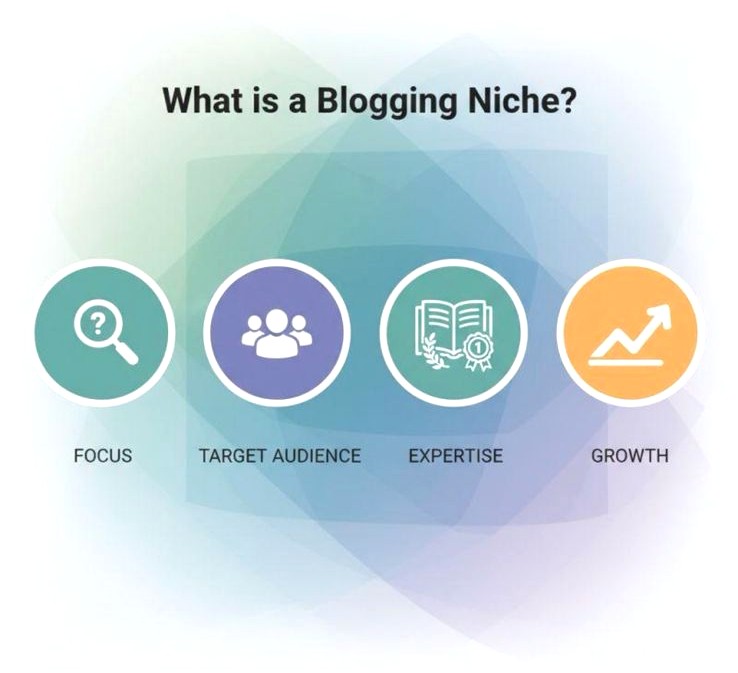
A blog niche is the specific topic or subject area that your blog focuses on. Instead of writing about everything, a niche helps you create content for a particular audience with specific interests. For example, health, personal finance, travel, technology, food, and fitness are popular blog niches. Choosing a niche gives your blog a clear direction and helps readers understand what they can expect from your content. If you want to choose the right niche for your blog, you need to focus on a topic that you can consistently write about and that people are actively searching for online.

Why Choosing the Right Niche Matters
Choosing the right niche is one of the most important decisions you’ll make as a blogger. Your niche determines who your audience will be, what content you’ll create, and how you can monetize your blog in the future. A well-chosen niche helps you attract loyal readers, rank higher in search engines, and establish authority in your field. If you fail to choose the right niche for your blog, you may struggle to attract traffic and maintain motivation over time.
Why Most New Bloggers Fail at Niche Selection
Many new bloggers make the mistake of selecting a niche based solely on trends or potential earnings. They often ignore their interests, knowledge, or audience demand. As a result, they lose motivation after a few months and stop publishing content. Another common mistake is choosing a niche that is too broad, making it difficult to compete with established websites. To choose the right niche for your blog, you need a balance between personal interest, audience demand, and profitability.
The Three-Factor Niche Formula (Passion + Demand + Profitability)
A successful blog niche typically combines three important factors:
Passion
Choose a topic you genuinely enjoy. Blogging requires long-term commitment, and passion helps you stay consistent.
Demand
Your niche should have an audience actively searching for information online. Without demand, even the best content may go unnoticed.
Profitability
If you plan to earn from your blog, ensure there are monetization opportunities such as affiliate programs, sponsored content, digital products, or advertising.

When these three factors align, you are much more likely to choose the right niche for your blog and achieve long-term success.
“A profitable blog niche is not just about what you love-it’s about the people need and are wiling to pay for.”
Finding Your Unique Angle
Even in competitive niches, you can stand out by finding a unique angle. Instead of creating a general fitness blog, you could focus on fitness for busy professionals. Instead of a general travel blog, you could write about budget travel in Asia. A unique perspective helps differentiate your content and attract a specific audience.
Tools to Research Blog Niches
Several tools can help you identify promising blog niches:
- Google Trends
- Google Keyword Planner
- Ahrefs
- SEMrush
- Ubersuggest
- AnswerThePublic
- Quora
These tools provide valuable insights into search volume, audience interests, and trending topics. Research is essential if you want to choose the right niche for your blog based on real data rather than assumptions.
Real-Life Niche Examples
Here are some examples of successful blog niches:
- Personal Finance for Beginners
- Home Workout Routines
- Vegan Recipes
- WordPress Tutorials
- Digital Marketing Tips
- Sustainable Living
- Remote Work Productivity
- Budget Travel Guides
Each of these niches serves a specific audience and solves particular problems.
Identify Your Interests and Passions
Start by listing topics you enjoy discussing, reading about, or learning. Your interests can provide valuable clues for potential blog niches. When you’re passionate about a subject, creating content becomes easier and more enjoyable. Passion alone isn’t enough, but it’s an important foundation when trying to choose the right niche for your blog.
Evaluate Your Knowledge and Expertise
You don’t need to be an expert, but having some knowledge or experience can give you a strong starting point. Readers often trust bloggers who share practical insights, personal experiences, and valuable information. Consider your education, work experience, hobbies, and skills when evaluating niche ideas.
Research Market Demand
A niche should have sufficient audience interest. Use keyword research tools to determine whether people are searching for information related to your chosen topic. Look for keywords with consistent search volume and growing trends. Demand ensures there are readers interested in your content.
Analyze Your Target Audience
Understanding your audience is crucial. Ask yourself:
- Who will read my blog?
- What problems do they face?
- What questions are they asking?
- What solutions can I provide?
The more clearly you define your audience, the easier it becomes to create relevant and valuable content.
Check the Competition
Competition isn’t necessarily a bad thing. In fact, competition often indicates a profitable niche. However, you should analyze competitors to identify gaps and opportunities. Study their content, audience engagement, and monetization strategies. Then look for ways to provide better or more specialized content.
Avoid Common Niche Selection Mistakes
Many bloggers make avoidable mistakes, including:
- Choosing a niche only because it’s profitable
- Ignoring audience demand
- Selecting an extremely broad niche
- Constantly switching niches
- Failing to conduct proper research
Avoiding these mistakes can significantly increase your chances of long-term blogging success.
Popular Blog Niche Examples
Some of the most popular blog niches include:
- Health and Wellness
- Personal Finance
- Technology
- Food and Recipes
- Travel
- Education
- Parenting
- Lifestyle
- Fitness
- Digital Marketing
- Business and Entrepreneurship
These niches continue to attract large audiences and offer multiple monetization opportunities.
How to Validate Your Niche Idea
Before fully committing to a niche, validate your idea by:
- Conducting keyword research
- Creating a few sample articles
- Sharing content on social media
- Gathering audience feedback
- Analyzing competitor performance
Validation helps confirm whether your niche has real potential before you invest significant time and resources.
Narrow Down Your Focus
Many beginners choose niches that are too broad. Instead of targeting “Technology,” consider focusing on “AI Tools for Small Businesses.” Instead of “Fitness,” focus on “Fitness for Beginners Over 40.” A narrower niche allows you to build authority faster and attract a more targeted audience.
Create a Content Plan for Your Niche
Once you’ve selected a niche, develop a content plan. Create a list of article ideas, categorize topics, and establish a publishing schedule. A structured content strategy ensures consistency and helps your blog grow steadily over time.
When Should You Change Your Blog Niche?
Changing your niche should not be your first option. However, you may consider it if:
- You have completely lost interest in the topic.
- There is little to no audience demand.
- Monetization opportunities are extremely limited.
- Your blog’s direction has naturally evolved.
Make changes carefully and gradually to avoid confusing existing readers.
Final Tips for Choosing the Perfect Blog Niche
Before making your final decision:
- Focus on long-term sustainability.
- Choose a topic you enjoy.
- Verify audience demand.
- Explore monetization opportunities.
- Study your competition.
- Start small and refine over time.
Remember that no niche is perfect. Success comes from consistency, quality content, and understanding your audience.
Frequently Asked Questions (FAQ)
Can I choose more than one blog niche?
Yes, but it’s generally better to start with one focused niche and expand later as your blog grows.
How narrow should my blog niche be?
Your niche should be specific enough to target a clear audience but broad enough to provide plenty of content opportunities.
Is competition a bad sign?
No. Competition often indicates that a niche has demand and monetization potential.
Can I change my niche later?
Yes, but frequent niche changes can confuse readers and slow your blog’s growth.
How do I know if my niche is profitable?
Look for affiliate programs, products, services, advertisers, and competitors successfully monetizing similar content.
“Choosing the right niche today can save you years of frustration tomorrow.”
Conclusion
Choosing the right niche is the foundation of a successful blog. By combining your passion, market demand, and profitability, you can build a blog that attracts readers and grows over time. Take the time to research, validate your ideas, and understand your audience before making a final decision. When you choose the right niche for your blog, you’ll create a stronger brand, produce better content, and significantly increase your chances of long-term success.
Start your own personal blog today and share your unique story with the world. Create Your Blog Now
Thank you for stopping by this post! This content mixes images, quotes, videos, lists, headings, and engaging text to demonstrate the versatility and beauty of your personal blog theme. Your clients can imagine their stories brought to life in this format.
